
Planting Design & Landscape Renovation
Good Planting Starts With the Site, Not the Plant List
Plants are only one part of a successful landscape. Soil, drainage, irrigation, grade, sun, shade, access, mature size, maintenance, and the way the property is actually used all influence whether a planting plan succeeds.
Living Earth approaches planting as part of the larger site system. That may mean designing something new, renovating an established landscape, improving soil and irrigation, or preserving the parts of an older property that are still worth keeping.
Planting Problems Are Often Site Problems
Poor plant performance may be caused by:
- compacted soil
- heavy clay
- poor drainage
- inconsistent irrigation
- root competition
- excessive shade
- reflected heat
- wind exposure
- wrong plant placement
- or simply choosing a plant that does not fit the mature conditions
Before replacing plants repeatedly, it can be useful to understand why the previous planting struggled.
A better plant does not fix a bad planting condition.
Soil Preparation Is Part of the Installation
A planting plan can only perform as well as the soil allows. Depending on the site, preparation may include:
- loosening compacted soil
- incorporating organic matter
- correcting drainage
- improving grade
- removing construction debris
- addressing heavy clay
- rebuilding planting beds
- and preparing soil to support irrigation
On the Norton property, heavy clay required substantial amendment before planting. The finished landscape succeeded because soil preparation, grading, irrigation, and planting were treated as connected parts of the same project.
Design for the Plant You Will Have, Not the Plant in the Nursery Can
Young plants are easy to place too close together. That can make a new landscape look full quickly, but may create:
- crowding
- constant pruning
- poor air movement
- blocked windows
- hidden paths
- unnecessary removal
- and higher maintenance later
A good planting plan considers mature height, mature width, growth habit, root space, surrounding structures, neighboring plants, and the amount of maintenance the owner actually wants.
Empty space at installation is often room for the landscape to become what it was designed to be.
A Landscape Should Improve With Time
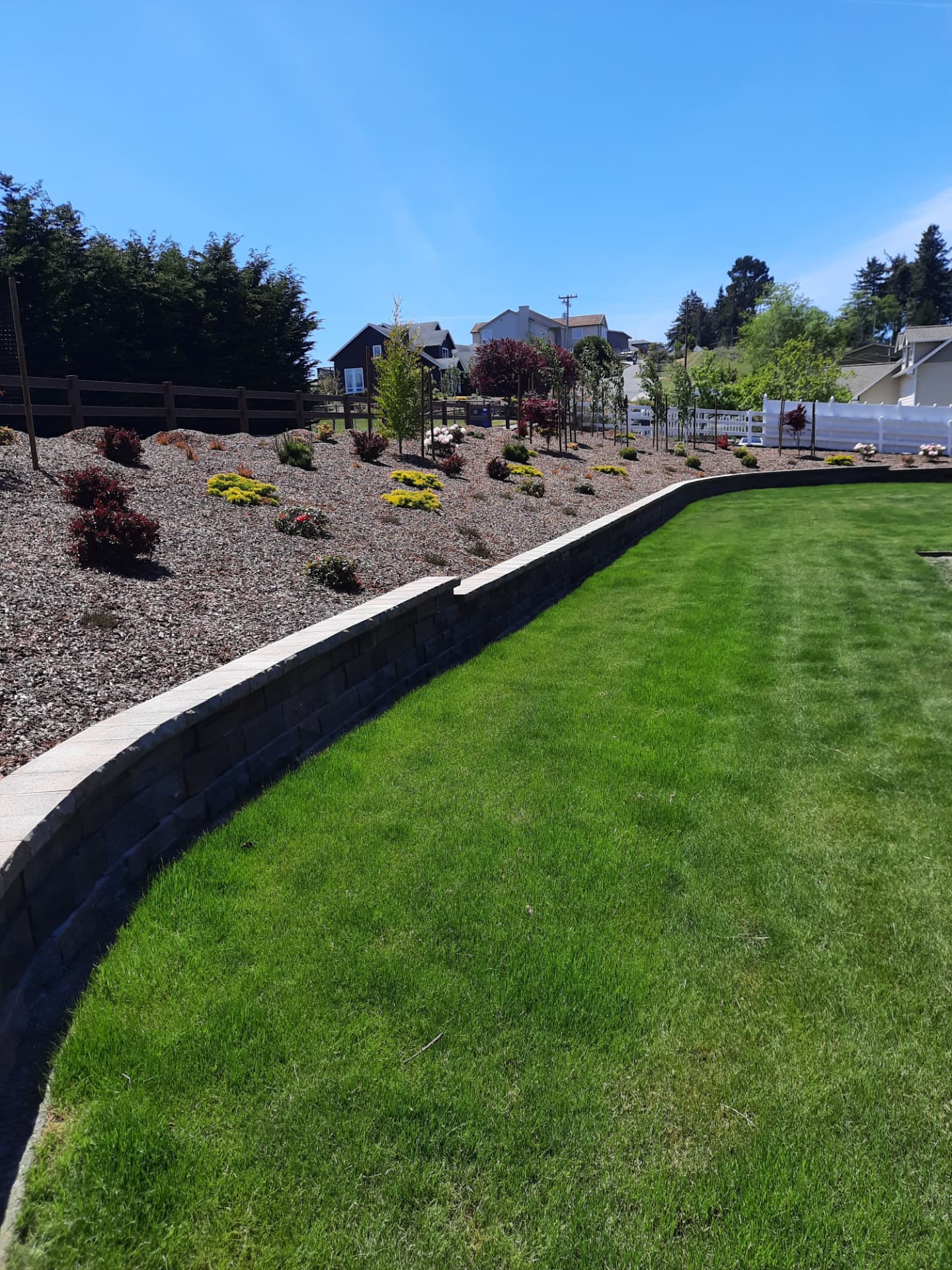
A successful landscape should not peak on installation day. As plants mature, trees create vertical structure, shrubs fill their intended space, groundcovers knit areas together, foliage develops more depth, shade patterns change, and the property begins to feel established rather than newly planted.
Flowers Are Only One Source of Color
A landscape can remain visually strong through:
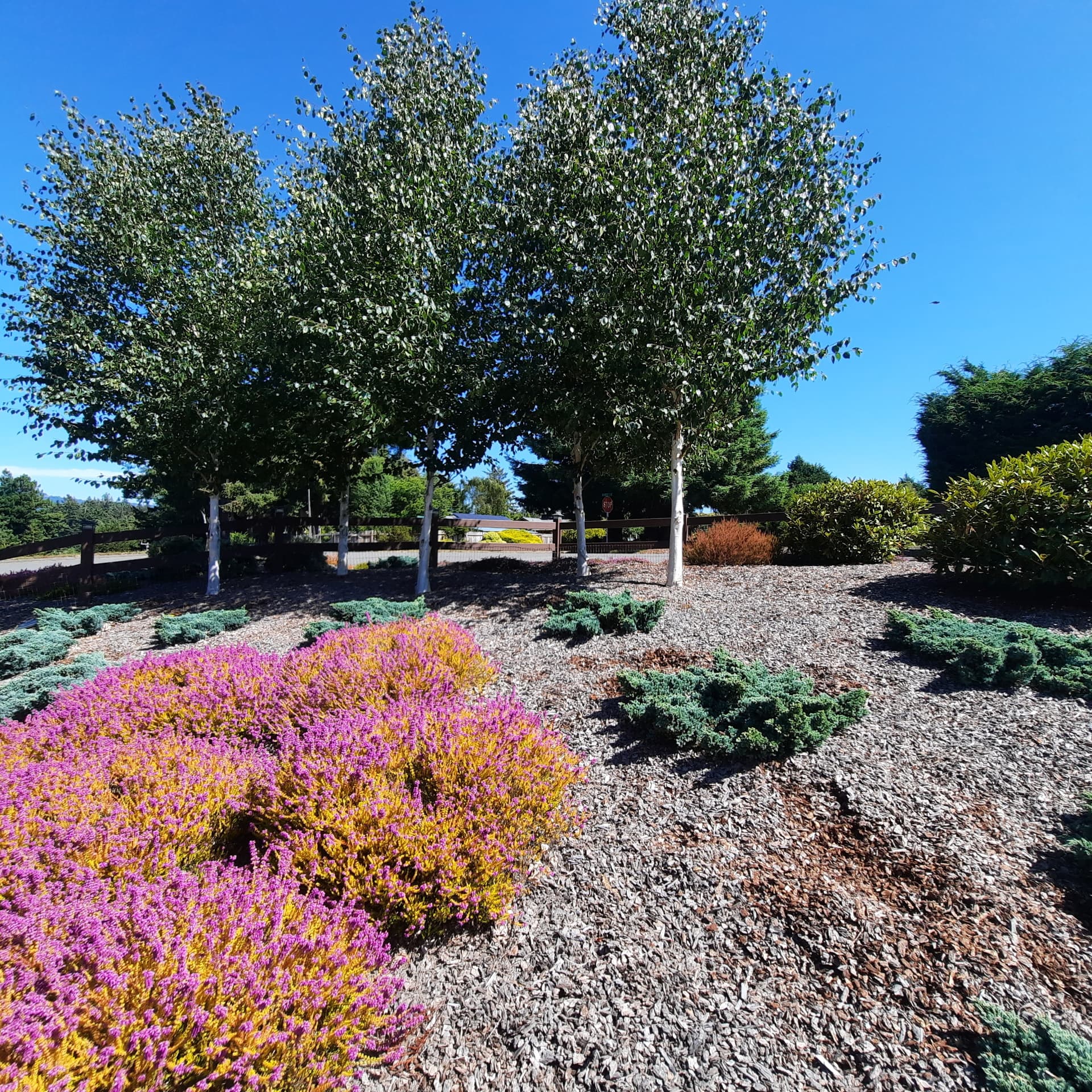
- foliage color
- bark
- evergreen structure
- grasses
- branching form
- texture
- groundcover
- berries
- seasonal change
- and selective flowering
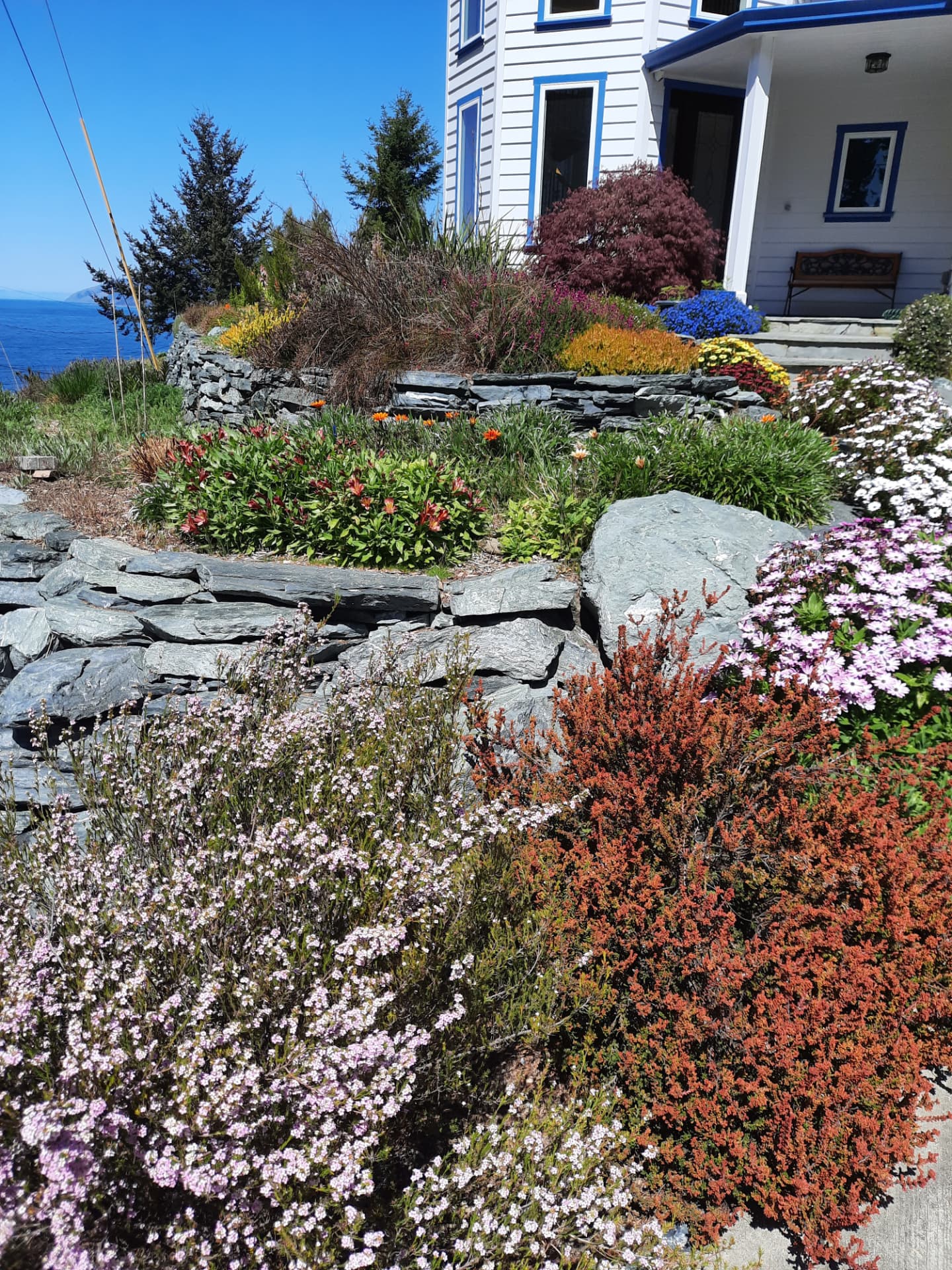
Relying entirely on constant bloom can increase maintenance and create a landscape that looks weak outside peak flowering periods. The goal is year-round structure with seasonal highlights.
The Irrigation System Should Match the Landscape
Planting and irrigation are often treated as separate projects. They should influence one another. Useful considerations include:
- plant water needs
- sun and shade
- soil
- slope
- root development
- zoning
- drip versus spray
- future plant size
- and access for repair
A landscape renovation may be the right time to update older irrigation rather than designing new planting around an unreliable system.
Privacy Should Be Designed for the Actual View
Screening is not simply a matter of planting the tallest hedge possible. Useful questions include:
- What are you trying to screen?
- From which viewing angle?
- At what height?
- Is year-round screening necessary?
- How much width is available?
- Will the mature planting block light or views you actually want?
- How much pruning are you willing to maintain?
Sometimes a combination of trees, shrubs, fencing, grade, or selective screening works better than one continuous wall of plants.
A Mature Landscape Does Not Have to Be Erased to Be Improved
Older landscapes often contain valuable elements: mature trees, established shrubs, walls, paths, irrigation, soil improvements, water features, and structures that already belong to the property.
Renovation starts by deciding:
- what is healthy
- what is overmature
- what still fits
- what is failing
- what blocks access
- what creates unnecessary maintenance
- and what deserves to remain
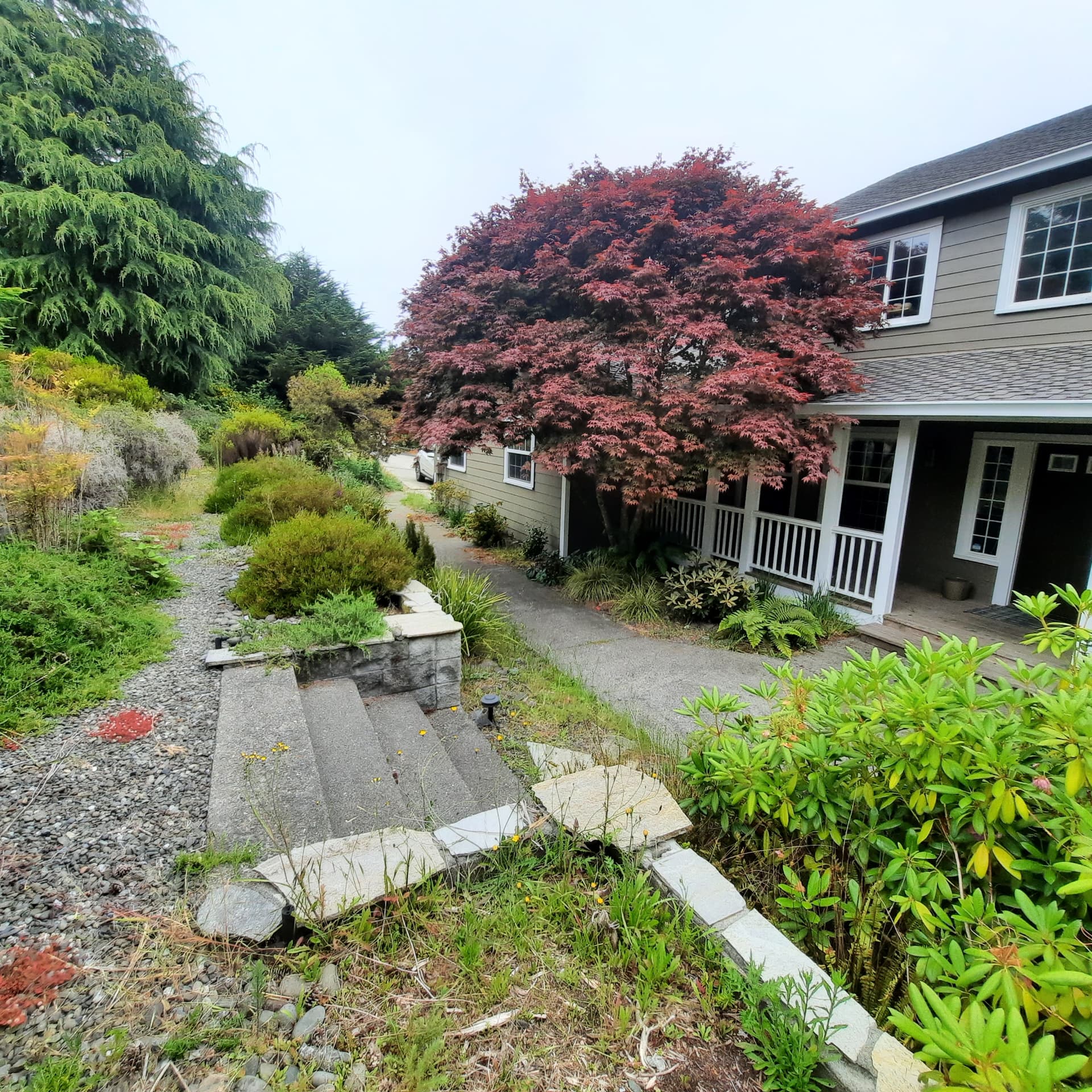
Keep the Good Bones
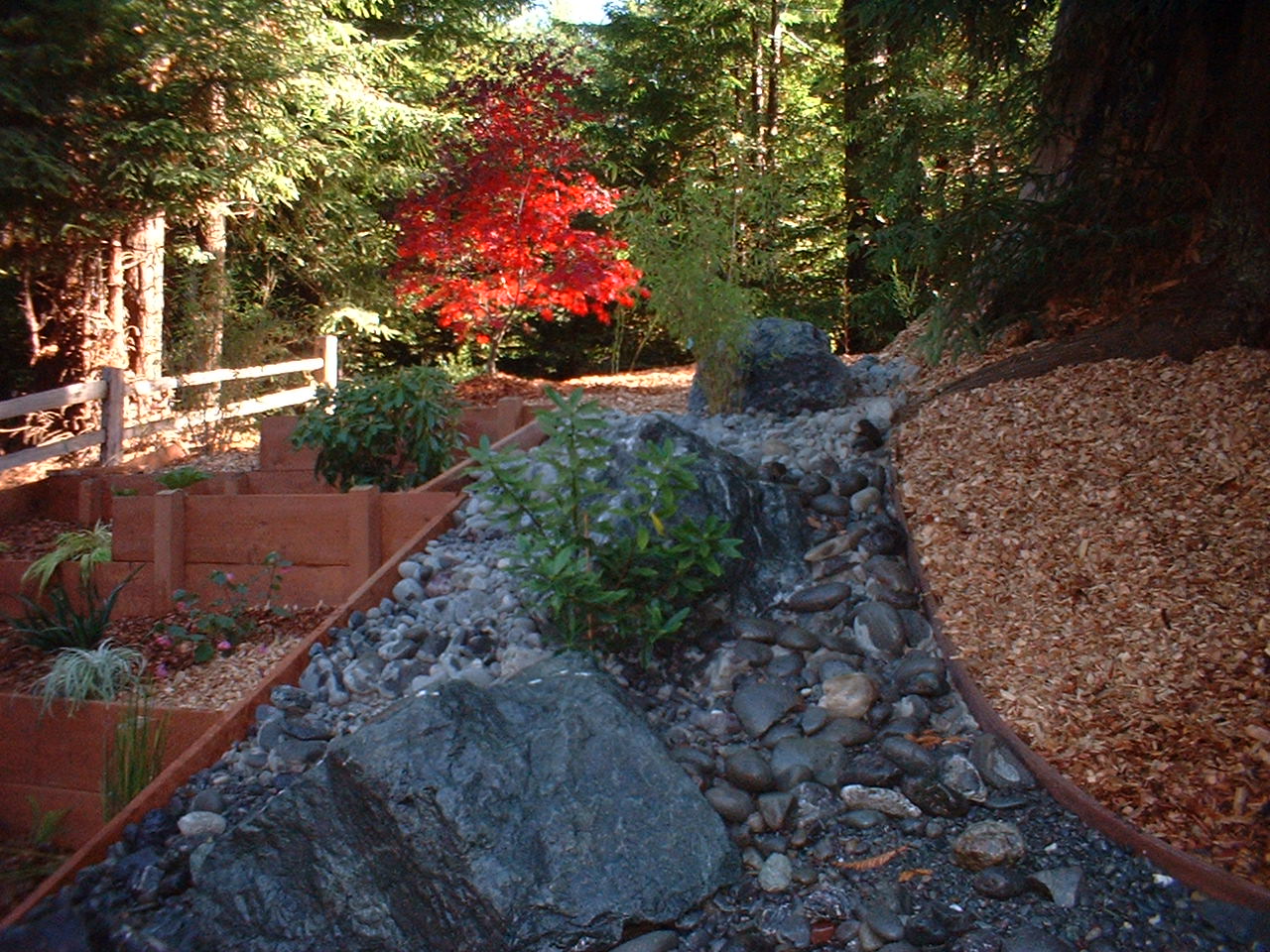
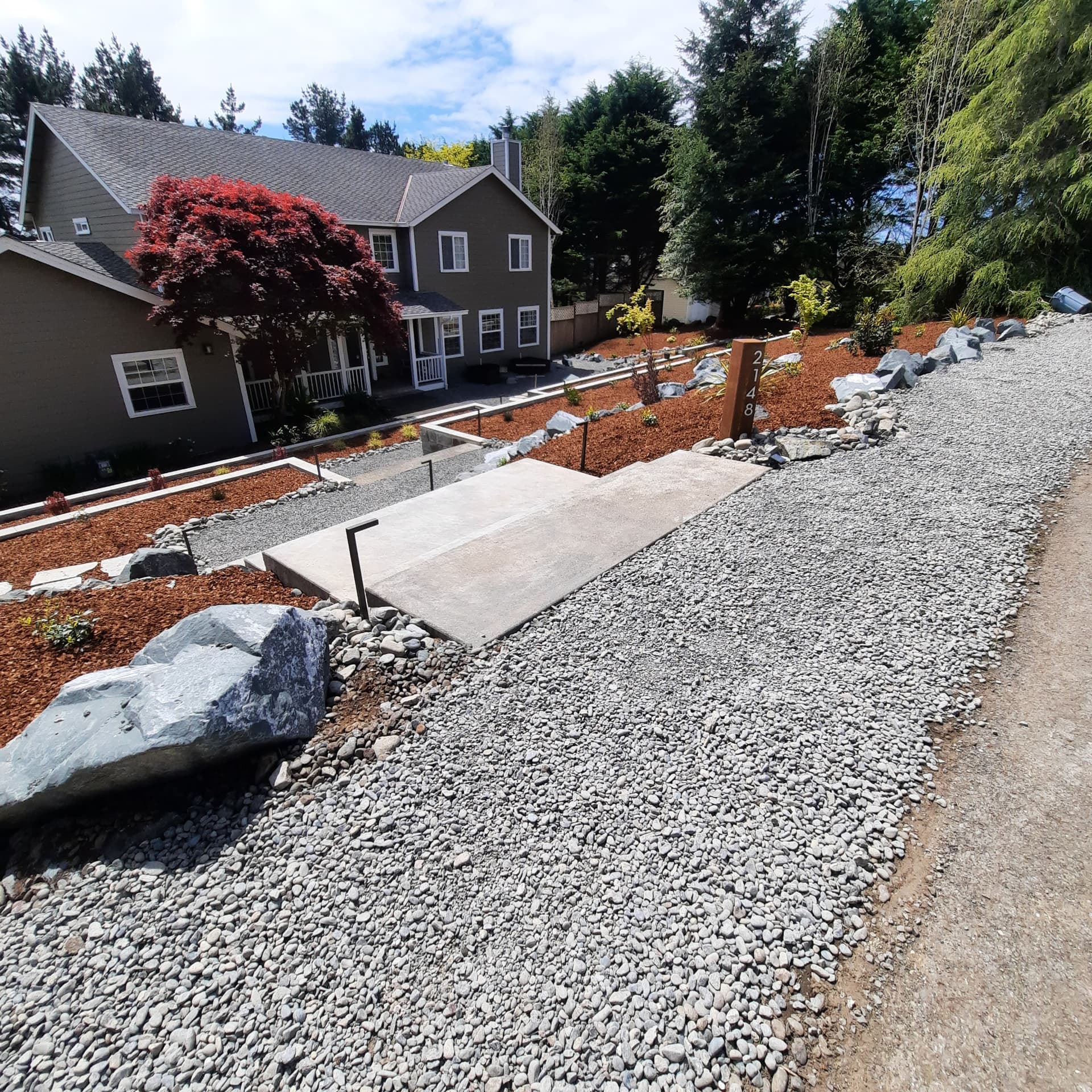
At Terra Vista, the property already had strong existing elements, including a mature maple and an established wall. Much of the surrounding landscape had become overgrown and overmature. Living Earth preserved the features worth keeping while renovating the property around them.
The work included:
- removing overmature planting
- soil amendment
- new stairs
- wall caps
- low-voltage lighting
- a pondless water feature
- dependable drip irrigation
- reworked circulation
- and custom-fabricated steel garden beds
The result was not a blank-slate redesign. It was a cleaner, more functional next chapter built around the parts of the landscape that still had value.
Maintenance Should Be Designed, Not Wished Away
Every landscape requires some maintenance. The useful question is how much and what kind. Lower-maintenance design may involve:
- appropriate spacing
- fewer high-maintenance species
- reliable irrigation
- mulch
- simpler bed shapes
- limited lawn
- durable edging
- foliage-driven structure
- fewer plants that require constant shearing
- and choosing materials that age well
Lawn Is Useful When It Has a Job
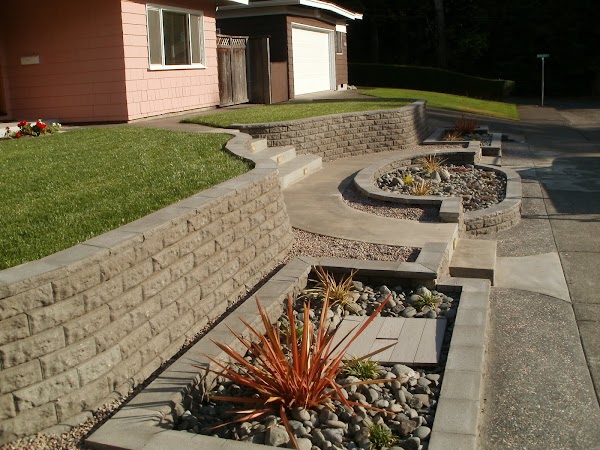
Lawn can be valuable for play, pets, gathering, visual openness, circulation, or simply because the owner enjoys it. It may be less useful where it exists only because nobody considered another option.
A lawn area may sometimes be replaced with:
- planting
- patio
- gravel
- path
- water feature
- screening
- or a combination of uses that provides more value to the property
A Front Yard Can Do More Than Be Lawn
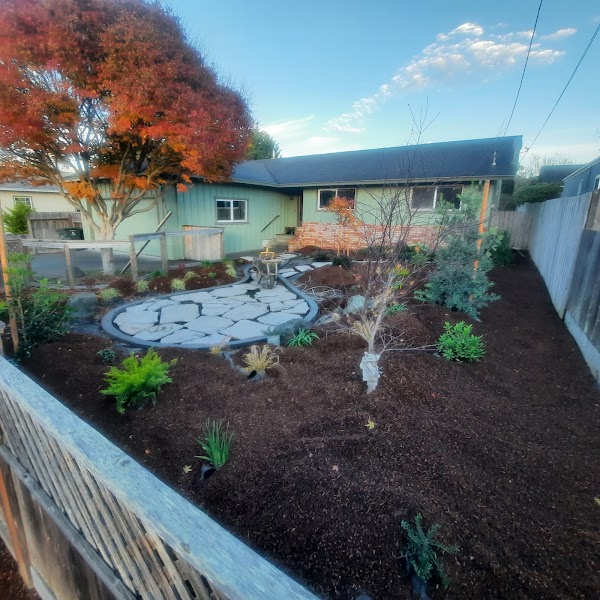
A front-yard renovation may provide a small sitting area, privacy where it is actually needed, year-round interest, better circulation, a stronger entry experience, and more daily enjoyment than a conventional lawn.
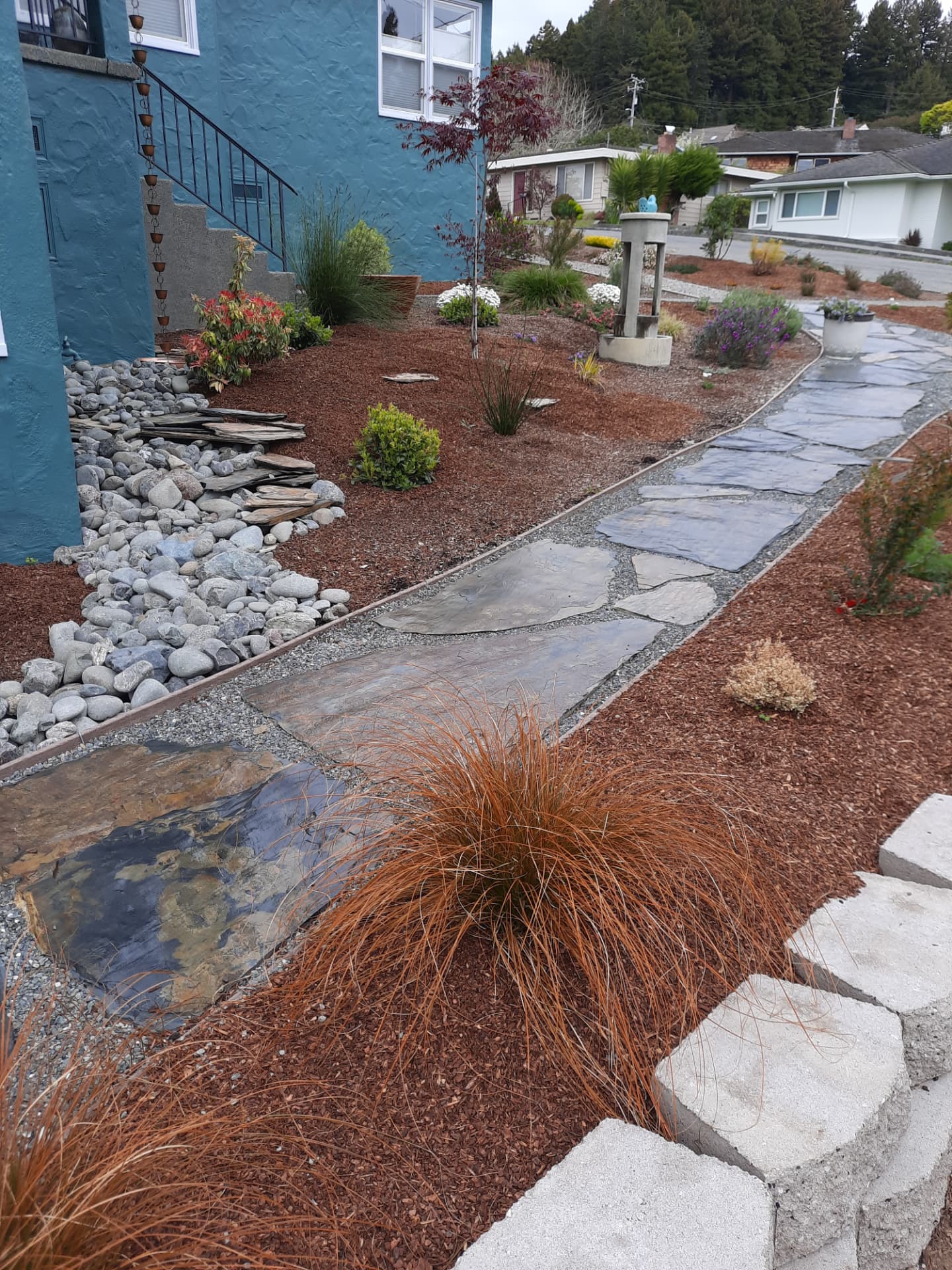
Paths Should Do More Than Connect Point A to Point B
A path can also:
- organize planting areas
- separate uses
- create rhythm
- improve maintenance access
- define edges
- and influence how a property is experienced
Slopes Need Structure Before Decoration
Planting on slopes may involve:
- erosion
- runoff
- irrigation
- access
- retaining
- mulch movement
- root establishment
- and mature plant size
Before filling a slope with plants, the larger site conditions should be addressed. Depending on the property, that may include grading, retaining, rock placement, or other site work before planting.
Water Determines More Planting Decisions Than Most People Realize
Planting and drainage overlap constantly. Too much water can damage plants that would otherwise perform well. Too little water may indicate an irrigation problem rather than a plant problem.
Runoff can also carry mulch, soil, nutrients, and sediment through a landscape.
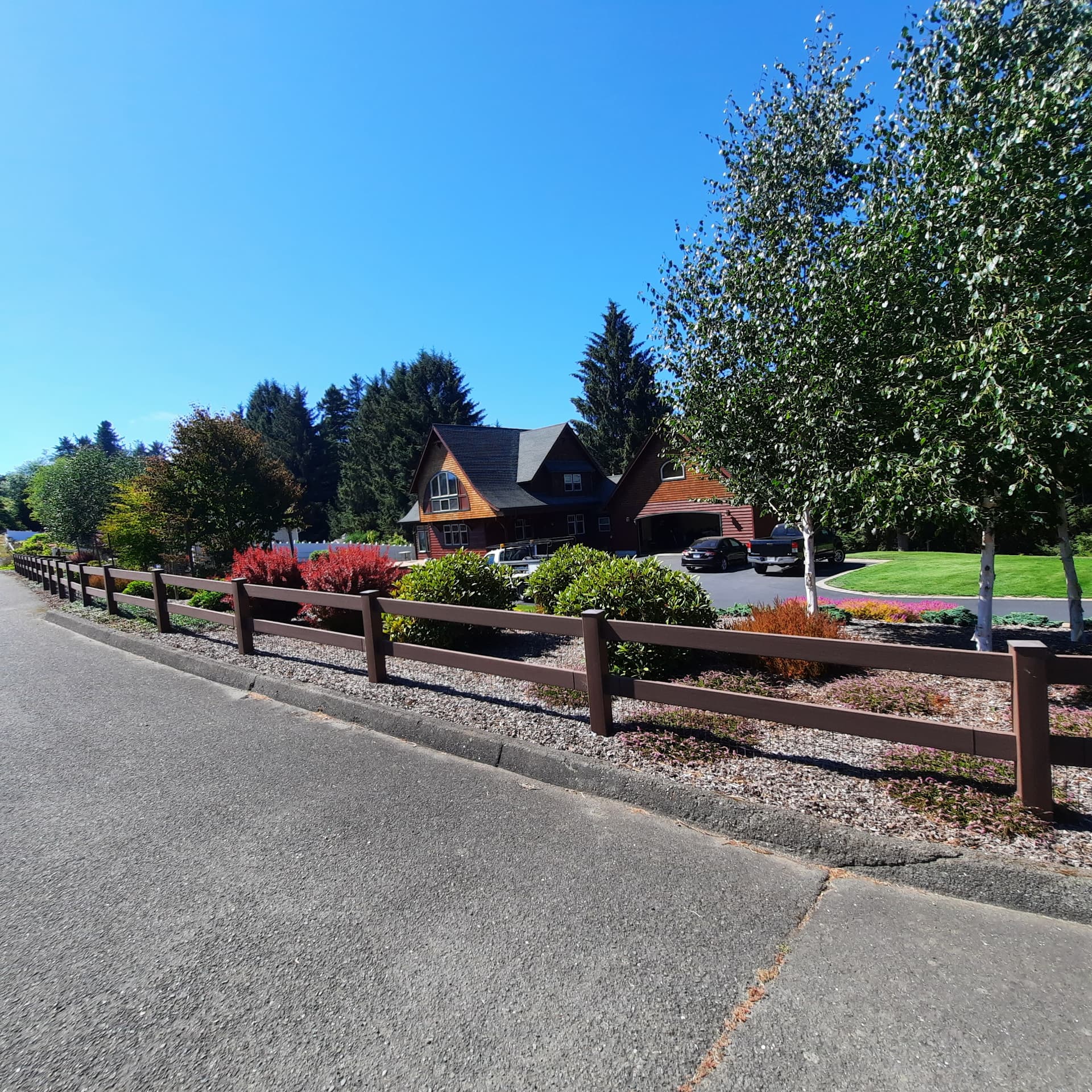
A Whole-Property Plan Can Be Built in Pieces
Large landscape projects do not always need to be completed at once. Useful phasing may involve:
- 1.drainage and grading
- 2.retaining or hardscape
- 3.irrigation
- 4.major trees and structural planting
- 5.smaller planting
- 6.lawn or groundcover
- 7.lighting
- 8.later refinements
The sequence matters. Work done in the wrong order may need to be disturbed or paid for twice.
Phasing works best when the later phases are considered before the first phase begins.
Before Choosing Plants, Decide What the Landscape Needs to Do
Useful planning questions include:
- Where should people move?
- Where should they sit?
- What views should remain open?
- What needs screening?
- Where is shade useful?
- What areas should feel more private?
- What maintenance level is realistic?
- Where does water move?
- What should remain visible from inside the house?
- What should the landscape look like in five or ten years?
Then plant selection becomes easier.
Choose Plants for the Conditions and the Job
Useful plant-selection criteria may include mature size, sun, shade, soil, moisture, wind, exposure, deer pressure, maintenance, growth rate, evergreen or deciduous character, foliage, flowers, and compatibility with surrounding plants.
There is no universal best-plants list. Plant recommendations should be made for the specific site.
Wildlife Can Change the Planting Plan
In many Humboldt County landscapes, deer pressure is a real design constraint. No plant list is perfectly deer-proof. Useful strategies may include:
- plant selection
- fencing
- protecting young plants
- placing vulnerable species selectively
- and accepting that wildlife behavior changes
Soil Continues to Change After Installation
Landscape soil is not a one-time construction material. Over time, useful practices may include:
- adding organic matter
- maintaining mulch
- reducing compaction
- protecting roots
- adjusting irrigation
- and allowing plant material to contribute naturally to soil structure
Good long-term care supports the original installation rather than constantly fighting it.
When Other Expertise May Be Useful
Some landscape conditions may require additional professional input. Depending on the property, that may include arborist evaluation, hazardous tree work, engineering, surveying, electrical work, irrigation specialty work outside appropriate scope, or other licensed professional services. Living Earth does not perform hazardous tree work or electrical work directly.
Improve What You Have—or Build What the Property Needs Next
If you already know the planting or renovation work you want completed, start with a project request.
If you are unsure what should remain, what should change, or how the landscape should develop over time, a site consultation can help define the next step.
For questions not answered here, start with Consulting & Site Assessment.
A good landscape is designed for the years after installation.